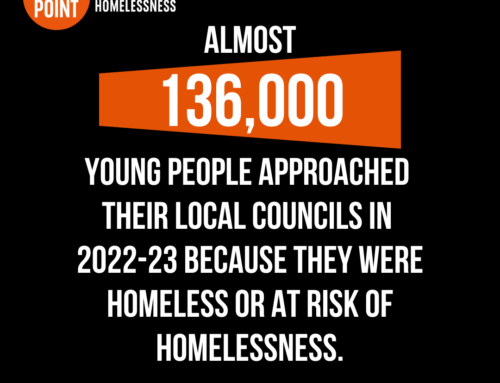
With youth unemployment at 10.8% compared to 3.8% for the general population, never has it been more important to provide a housing offer which enables young people to live, work, earn and learn – particularly when the current system often penalises young people claiming benefits whilst finding a job or working.
For young people who can remain safely in a family home, they are more likely to be able to live, work or study and be benefit free. For those with access to the ‘bank of mum and dad,’ that can enable them to take up apprenticeships and save deposits to rent or buy a place of their own. For young people who aren’t able to draw on such support – like for the young people we support who are experiencing homelessness or are vulnerably housed – their options are more limited, particularly when it comes to work.
Young people’s Universal Credit is currently below the official destitution level[1]. Young people are often not a priority for social housing, and they are left with high rents and little to no support. Supported accommodation – like our Next Step project – provides high quality accommodation and essential support but is an expensive option for working young people.
At the Next Step project, 80% of our residents are working. That’s fantastic!
But complicated benefits rules for people in supported accommodation can make accessing work even more difficult and, in some cases, leave young people worse off after increasing their earnings or taking on more hours.
- Universal Credit is tapered off for anyone earning more than c. £93 per week
- Last year 48% Centrepoint’s survey respondents said they’d turned down a job or more hours due to the impact it would have on their benefits
- Depaul UK found that 81% YP living in supported housing said being able to continue to pay their rent was their biggest concern about moving into work
Encouraging people into work is a topical issue. Under a reform announced in the Chancellor’s mini budget on 23rdSeptember, low paid part-time workers will have their benefits reduced if they do not take ‘active steps’ to earn more. From January 2023 claimants working up to 15 hours per week at the minimum wage will have to look for more or better paid work.
One of Youth Concern’s three strategic ambitions is that, as a result of engaging with us, young people will be better able to live as independently as possible. And one of our six key goals is to further collaborate with other youth service providers.
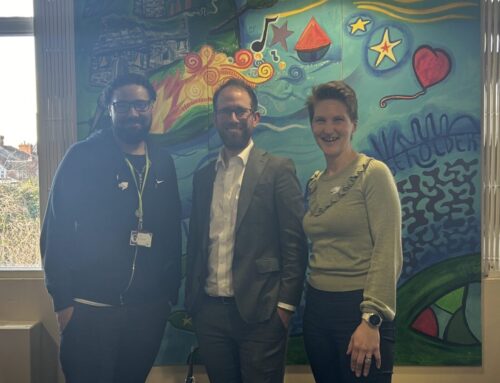
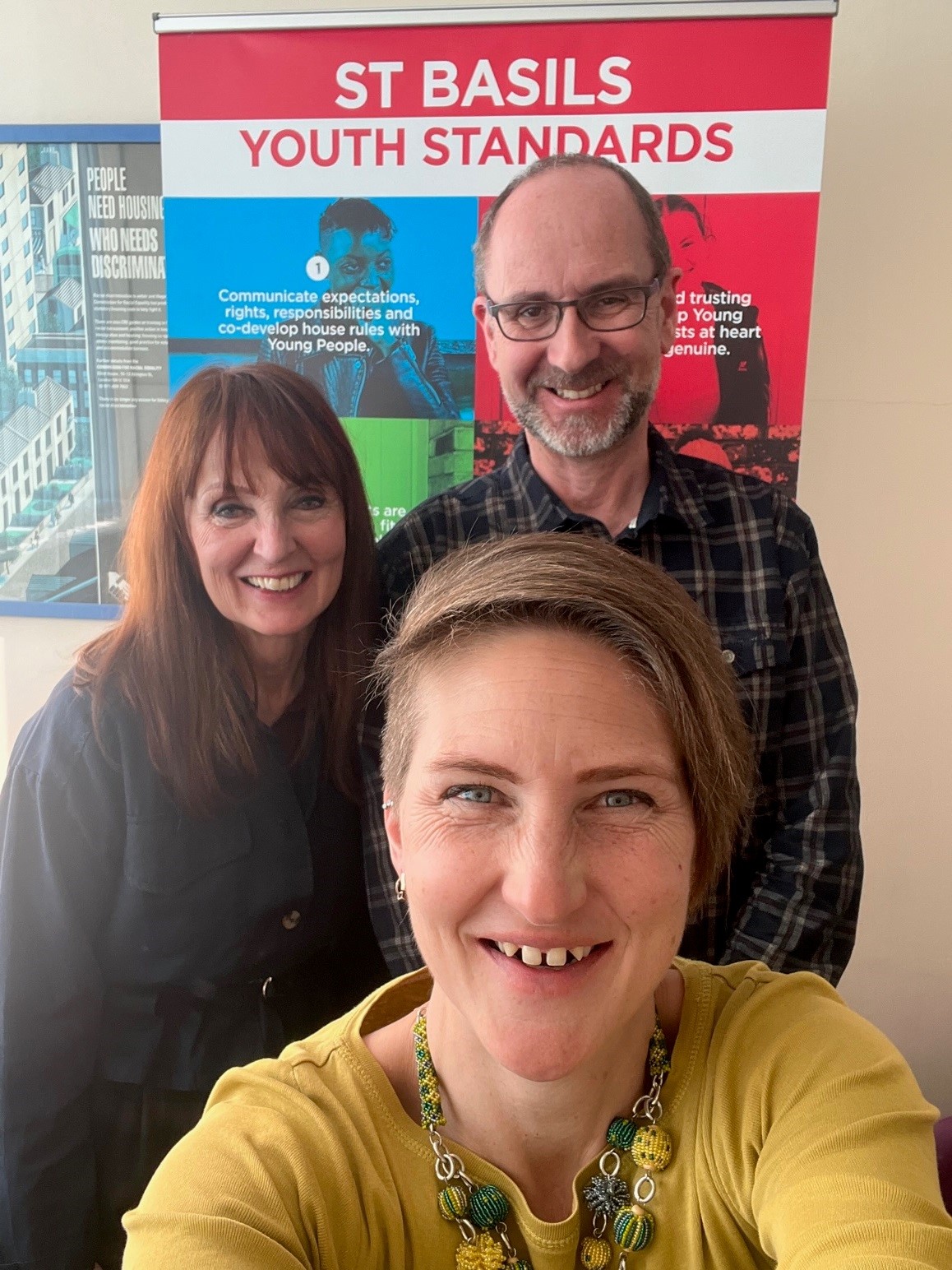
So on 6th April, our CEO Hannah and treasurer Steve visited St Basils, a charity based in edgy Digbeth, Birmingham that has won awards for their ground-breaking West Mids housing offer that enables young people to live, work, earn and learn.
We are excited by what we learned and plan to visit other projects that find ways of incentivising young people to live, work, earn and learn. Watch this space!